

Table of Contents
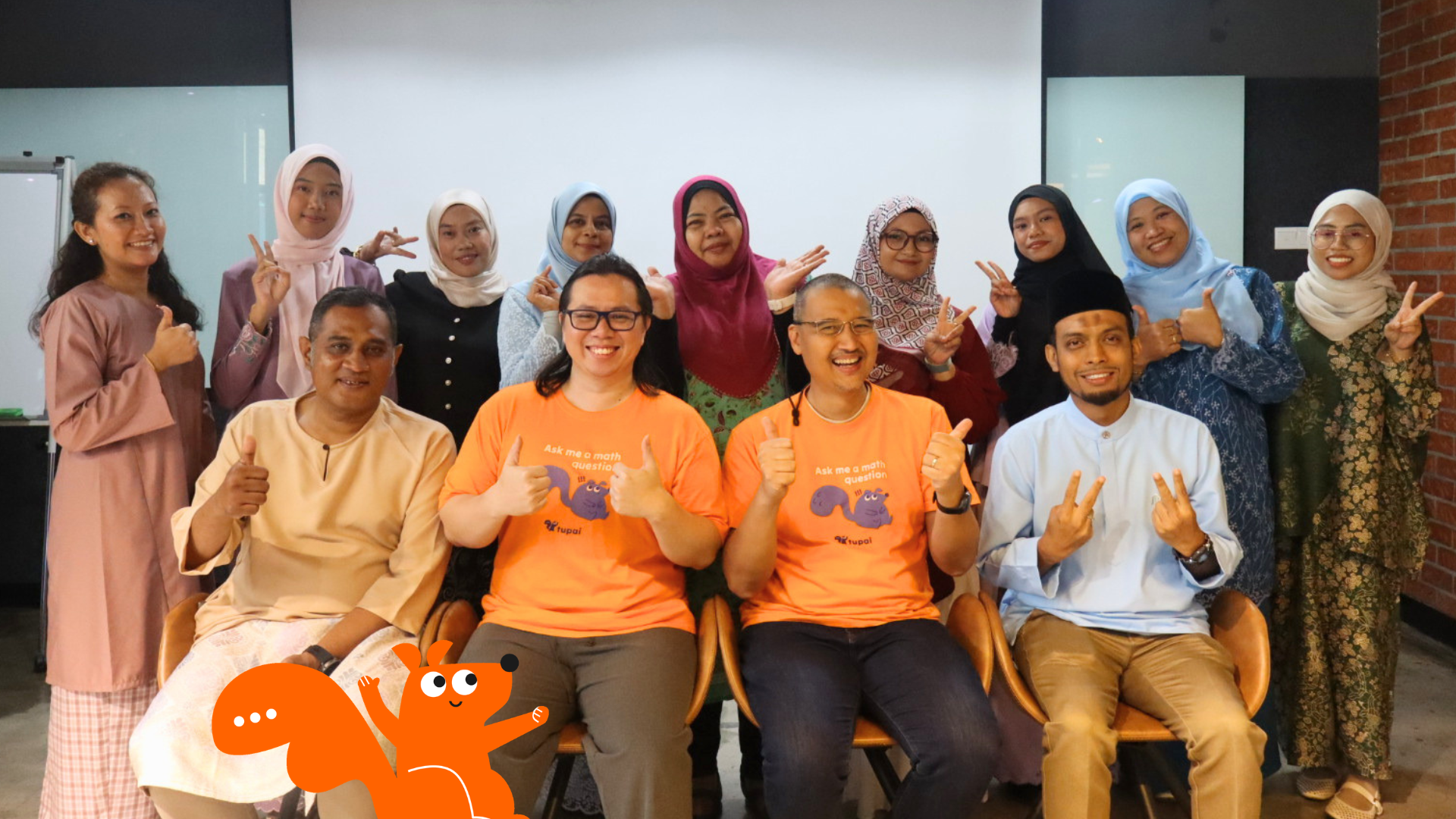
Last year, we worked directly with students and teachers at SMK Raja Tun Uda for a few months. The students were using Tupai. Their teachers were watching closely. In mid-April, we invited the parents of those same students to join us for a jamuan makan. Not to present anything. Simply to ask: what had they noticed at home over the past months?
What Parents Actually Noticed at Home
When we asked the parents directly, three things came up again and again.
Self-motivation. This was the most common observation. Parents noticed their children choosing to study, not because they were reminded, not because an exam was the next day, but because something internal had shifted. The app had made maths feel manageable enough that their child was willing to engage with it on their own terms.
Better understanding, not just better scores. Their children weren’t just getting answers right, they could explain their reasoning. When a parent asked “how did you get that?”, the child could actually walk them through it. That hadn’t always been the case.
Grades improving. And yes, the results followed. Exam scores reflected what the parents had already sensed at home, that something real was happening, not just surface-level performance.
“My child doesn’t go to tuition at all. She studies on her own using Tupai, and it has helped her tremendously.“ — Parent, SMK Raja Tun Uda
“I noticed she seemed more confident. Her results improved and I could see the difference in how she approached his studies.” — Parent, SMK Raja Tun Uda
Teachers at the jamuan confirmed the same picture from their end. Students arriving to class more prepared. Less avoidance when called on. A willingness to attempt problems rather than leave them blank.
What AI Tutoring Does Differently
Part of what changed the parents’ minds wasn’t just results, it was understanding how Tupai works. A few things stood out in our conversations.
It meets students where they are, not where the syllabus says they should be. A student who has gaps from Form 2 doesn’t have to pretend to keep up. Tupai identifies where the gap actually is and works from there. Parents found this particularly meaningful, they’d watched their children struggle in tuition because the class moved on regardless.
There’s no embarrassment. Multiple parents brought this up unprompted. Their children were more willing to attempt a problem, get it wrong, and try again, because no one was watching. The judgment is removed. For students who had learned to be ashamed of not knowing, this turned out to matter a lot.
The consistency is different. A tuition session happens twice a week. Tupai is available every evening, including the night before an exam. Parents noticed their children using it to check their own understanding, not just to complete homework.
Practical Tips: How to Support Your Child Using AI Tutoring
If your child is using Tupai — or you’re considering it — here’s what the parents at our jamuan wished they’d known from the start.
- Don’t judge progress by daily sessions. Look at the pattern over 4–6 weeks. Consistency matters more than intensity.
- Ask what they figured out, not what they scored. “Did you understand why that formula works?” opens better conversations than “how many did you get right?”
- Let them struggle a little. Resist the urge to help immediately. The productive struggle is where learning actually happens.
- Check in with the teacher. Tupai works best when it’s aligned with what’s happening in class. A quick message to the teacher every few weeks keeps everyone on the same page.
- Celebrate the small shifts. If your child attempts a problem they would’ve skipped last month, that’s real progress, even if the answer is wrong.
So, Does AI Tutoring Work?
Based on what we heard at SMK Raja Tun Uda, the honest answer is: it depends on what you mean by “work.”
If you mean “will it magically fix grades overnight”, then no. Nothing does that. But if you mean “can it meaningfully change how a student relates to maths, build genuine understanding, and produce real improvement over a term”, then yes. We saw it happen. And in this case, we have something more compelling than a controlled experiment: some parents who had no idea what was happening, who simply watched their child change, and who only connected the dots when we sat down together over lunch.
What we took away from that afternoon in Penang: the students who improved weren’t just using a better tool. They had found a way to engage with maths that didn’t feel like a battle. And once that shift happens, the grades tend to follow on their own.
Want to see if Tupai is right for your child? Try it for free today.